
8 Creative Techniques for Resolving Conflicts Between Parents and Teenagers
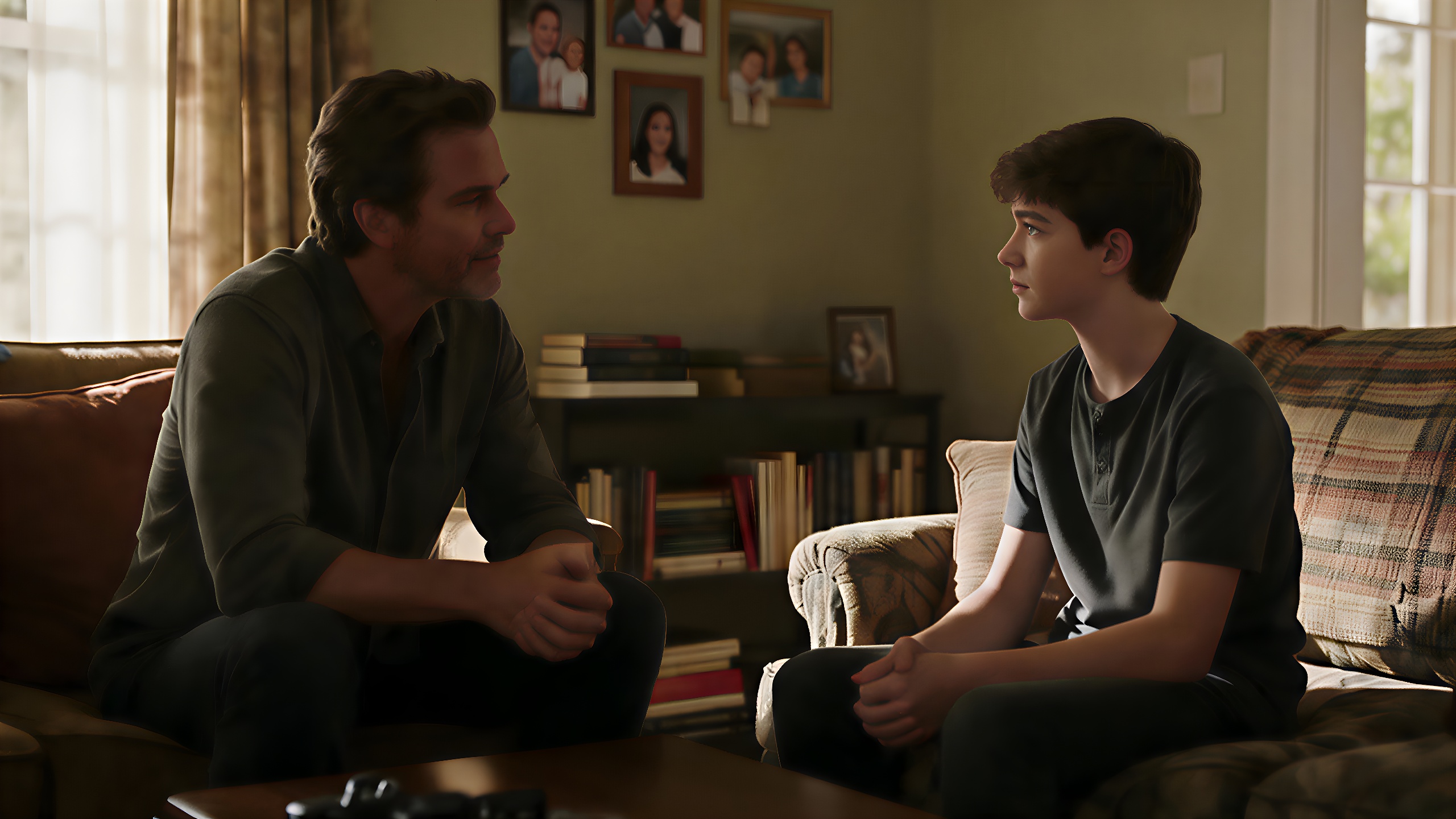

Conflicts between parents and teenagers are often inevitable, and that is perfectly normal. Nevertheless, it is important to resolve these conflicts constructively to strengthen the relationship and clear up misunderstandings. In this article, we present eight creative techniques that can help you better handle conflicts.
To open the dialogue, you should create a safe space where your teenager feels comfortable expressing their thoughts and feelings. Often, a relaxed environment helps to open the doors to new conversations.


Active Listening
Active listening is a technique that is often underestimated. Show your teenager that you are really listening by maintaining eye contact and keeping your body language open. Repeat what they say to avoid misunderstandings. This way, your child feels taken seriously.

Take the time to listen fully before you respond. Make sure you also understand what is being said between the lines. Sometimes the real issues are not the words but the emotions that accompany them.
Use guiding questions to better understand your teenager’s perspective. Questions like 'And how did that make you feel?' or 'What do you wish for in this situation?' can help.
Creative Expressions
Use more creative forms of expression to illustrate your family's feelings and thoughts. These can include drawings, plays, or poems. This way, conflicts can be addressed in a playful manner.
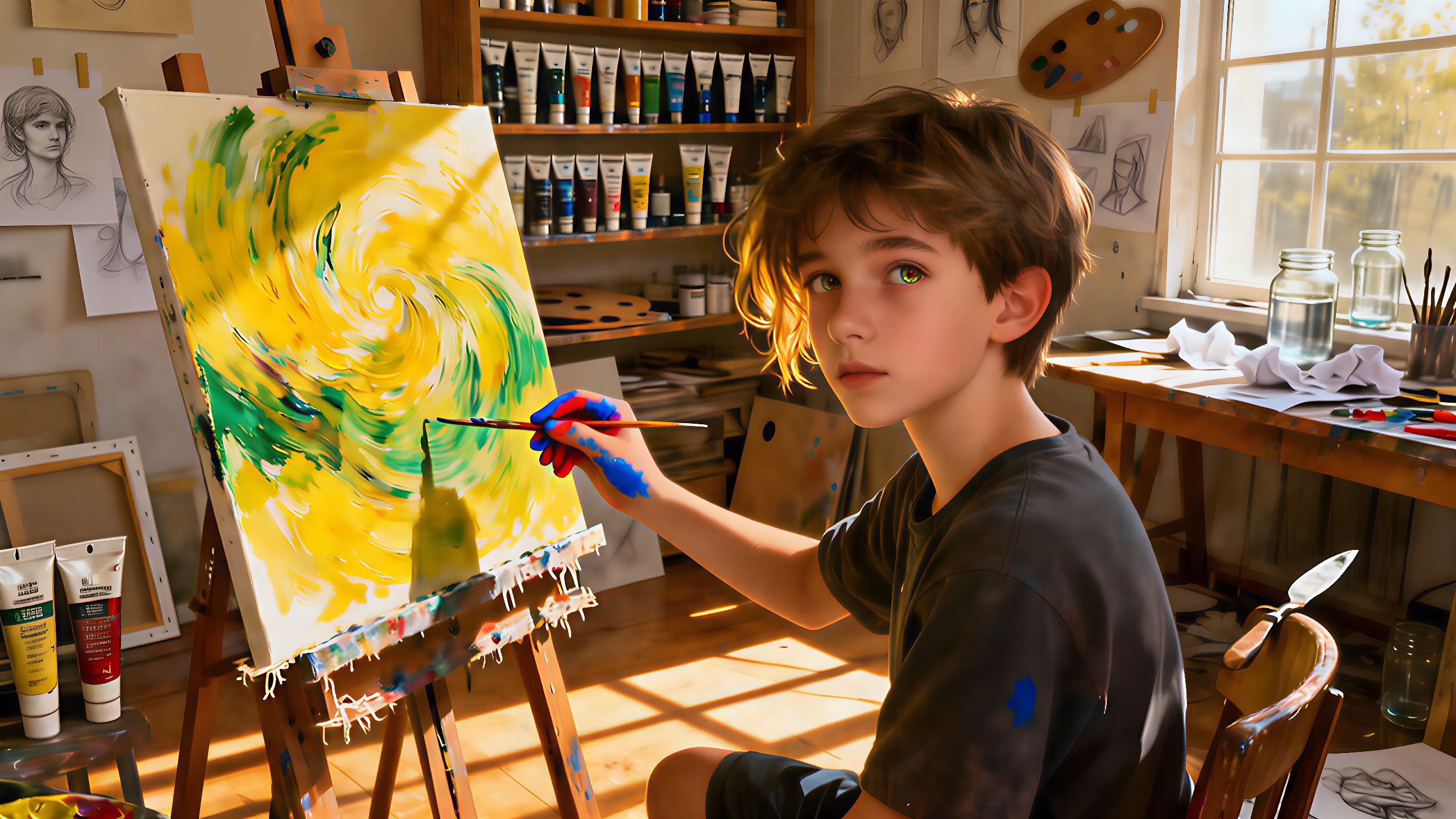
A joint art activity can be both relaxing and bonding. When children and parents work together, a space for honesty and clarification is often automatically created.
Role Plays
Role plays can be incredibly effective for developing empathy for the other person's perspective. Let your teenager step into your shoes and vice versa. This can help understand each other's motivations.
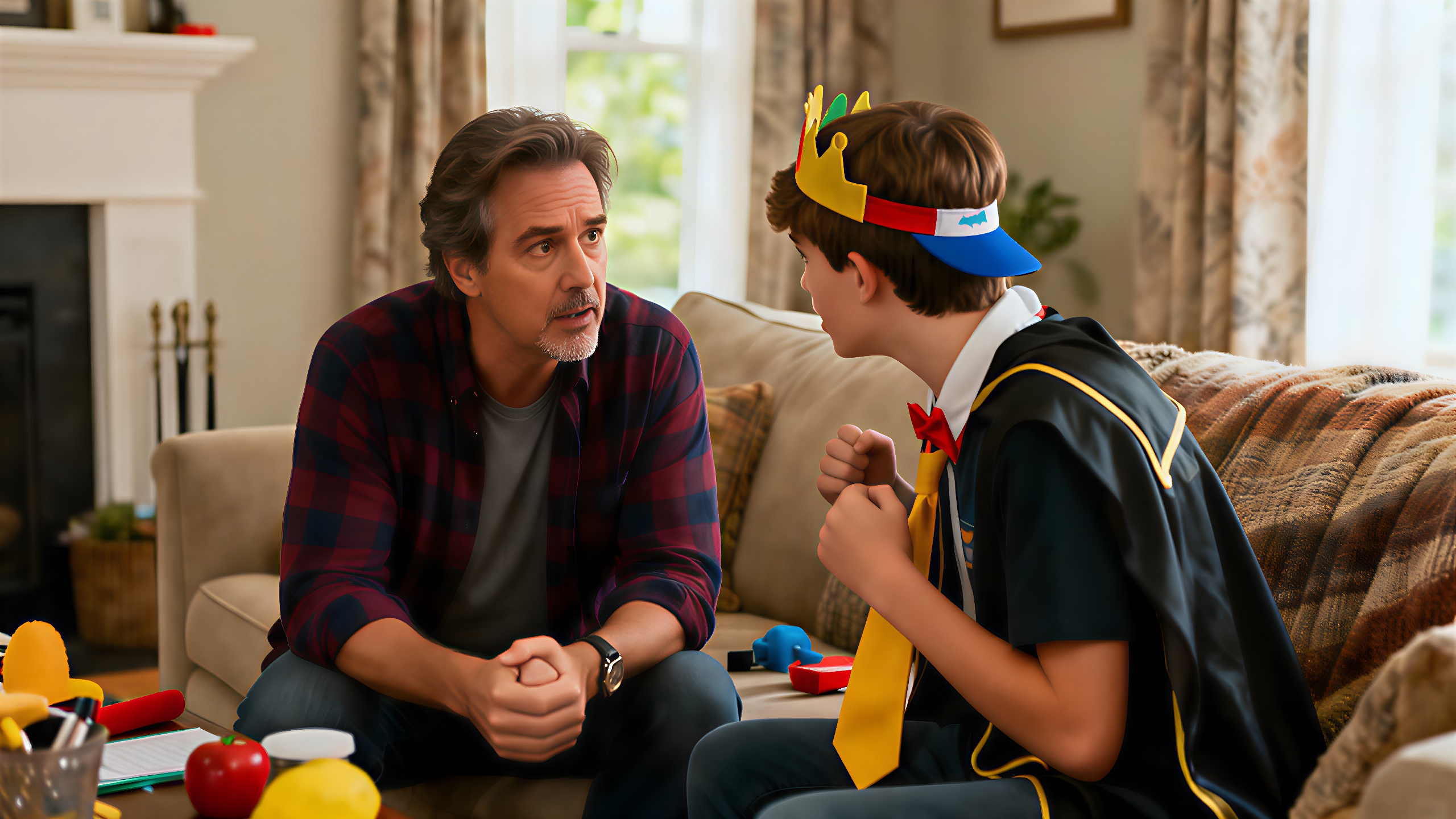
Role plays often bring humor into emotionally charged situations and allow both parties to present their arguments in a playful way. It is important that everyone has the opportunity to talk about their true feelings.
Reflect after the role play on your own experiences. What did you learn? What insights are possible? It is a great way to express what is inside you.
The consequences of a conflict are often not immediately recognizable. With role plays, you can question these and show how your actions affect your relationship with your teenager.
With a safe closure, you can clarify the situation and ensure that in the end, everyone understands better where the other stands.
Resolving conflicts is a process that takes time and is carried out with empathy and understanding. By applying these creative techniques, you can deepen your relationship with your teenager and create a better family climate.
By keeping communication open and offering creative solutions, you contribute to both sides learning and growing from each other. Conflicts are not the end, but an opportunity for improvement!
Remember that misunderstandings and mistakes are normal; the key to conflict resolution lies in the willingness to listen and respect the other person's perspective.