
The inner child and your decisions
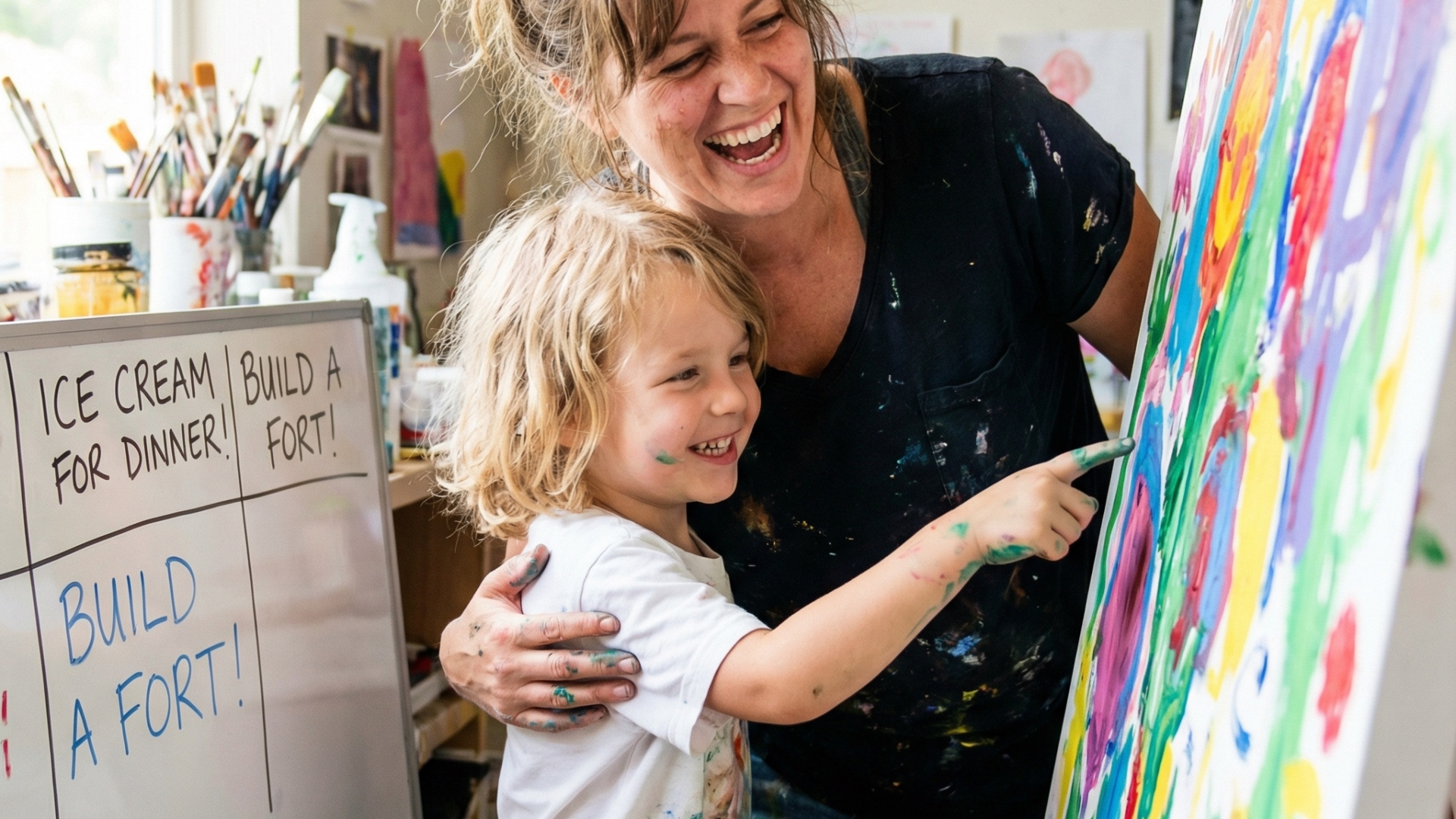

The inner child is a term often used in psychology to describe the emotional and psychological essence we experienced as children. This inner voice often unconsciously influences our decisions in adult life. On Lifescout.com, a platform focused on the growth and relationship of women, we want to take a closer look at this topic. How much are your decisions shaped by the experiences of your childhood? Understand the connections to your inner child and find ways to self-healing and improving your psyche.
The concept of the inner child originally comes from psychotherapy and refers to the aspects of our self that stem from our childhood. It encompasses both positive and negative experiences that shape our emotional patterns. Often, it is hurtful experiences or unresolved conflicts that we carry into adulthood. These experiences can manifest in fears, behavioral patterns, and reactions that are unconsciously activated in the present. It is crucial to recognize that the inner child can be both a source of creativity and joy as well as old wounds and blockages.


The roots of your decisions
Your decisions in various areas of life - whether in work, friendships, or romantic relationships - are often strongly influenced by the experiences you had in childhood. If you felt a sense of safety and love in your early years, this will reflect in a confident demeanor and open relationships. Conversely, unresolved conflicts from childhood can lead you to withdraw in relationships or make decisions that do not align with your true self.
An example could be a person who was frequently criticized in childhood. This experience can lead to difficulties in valuing themselves or taking on new challenges in adulthood. Often, we project the negative beliefs we developed as children onto our present situations. The key is to become aware of these patterns and actively learn to break them.
Healing through mindfulness
An effective way to work with your inner child is the practice of mindfulness. It empowers you to notice your thoughts and emotions without immediately judging or reacting. You can learn to observe the inner child and understand its needs. This can be achieved through meditation, journaling, or creative activities like painting and writing.
It is helpful to consciously take time to look back at your own past. Ask yourself what your inner child needs to feel heard and seen. By asking these questions and diving into your emotions, you can build a deeper connection with your inner child and begin to heal the wounded parts within you.
Moreover, it is important to bridge the gap between your inner child and your current self. This can be done through positive affirmations or writing letters to your child, comforting it and assuring it that it is safe. Such exercises not only promote your emotional healing but also allow you to make your decisions more consciously.
Final thoughts and action steps
Overall, working with the inner child is a powerful process that can help you understand and heal your past. You can break down emotional blockages and lead a more fulfilling life. It is important to be patient with yourself. The path to healing is often not linear but involves ups and downs.
Start by regularly creating time for yourself to dive into your own feelings and needs. Take time for meditation or creative self-expression to nurture your inner child. By integrating these practices into your life, you will be able to recognize and positively change your behavioral patterns.
Remember that you are not alone. Many people struggle with the representations of their past in the present. By initiating your own healing process and connecting with your inner child, you open pathways to a more conscious and fulfilling life.