
The influence of social media on our self-image
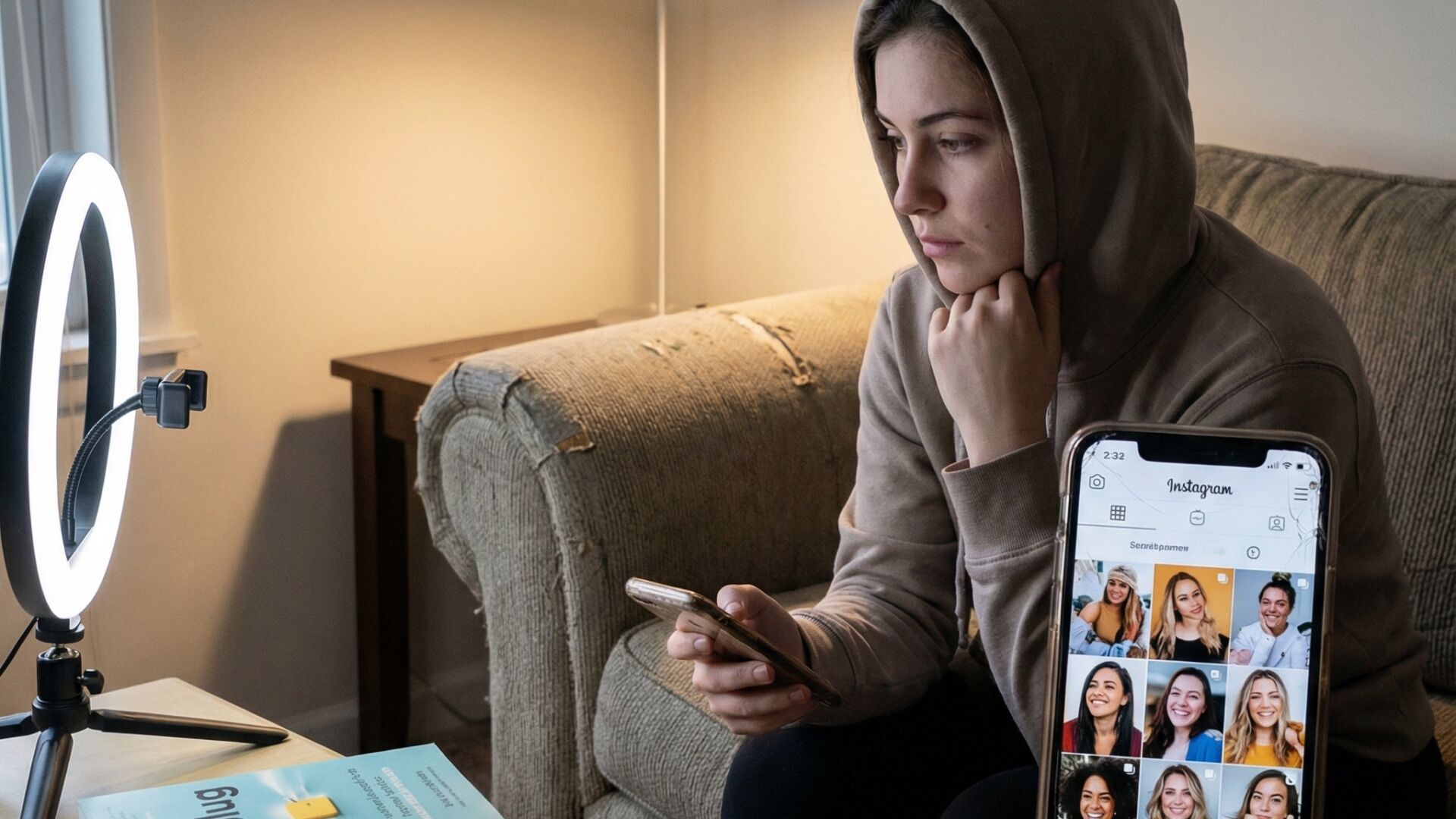

In today's digital world, social media plays a central role in our lives. It influences how we perceive ourselves and how we are perceived by others. Particularly women are often faced with the challenges and comparisons that arise from platforms like Instagram, Facebook, and TikTok. On frauenzeit.de, you will learn how these platforms can shape our self-image and what psychological mechanisms are behind them. In this article, we take a look at the impact of social media on our self-image, the role of likes and comments, and how you can develop a healthy relationship with these media.
The use of social media has developed rapidly and increasingly influences our way of life. One of the biggest challenges is that we are often confronted with idealized images shared by influencers and celebrities. These images often convey a distorted impression of reality - whether through filters or by removing flaws and imperfections. This constant comparison can lead to dissatisfaction with one’s body and life. When we remain in the role of the spectator and compare our successes or failures to the presented ideals, it can significantly impair our self-esteem and lead to feelings of inadequacy.
In addition to image comparisons, there is a psychological aspect that plays a role: validation by others. On social platforms, many people are influenced in their self-image by likes, shares, and comments. Positive feedback can temporarily boost self-esteem, while negative feedback leads to a drop in confidence. It is important to understand that these "echoes" from the digital world do not reflect reality but are often superficial. Being aware of this is crucial for building a healthy relationship with social media.


Self-perception in the digital age
In the digital age, our self-perception has radically changed. In the past, our self-image was often shaped by direct feedback from our social environment, while today the opinions of thousands of strangers can influence our self-image. The constant pursuit of social acceptance and validation can lead us to rely less on our inner voice and more on external confirmations. This reinforces the feeling that our worth depends on the opinions of others. Therefore, it is even more important to actively work on our self-perception and define our values regardless of digital influences.
A healthy self-perception requires self-reflection and setting personal boundaries in the use of social media. The technique of mindfulness can be helpful in this regard. Mindfulness means consciously focusing on the present moment and observing one’s thoughts and feelings without judgment. If you notice that you are comparing yourself to others or drifting into negativity, it can be helpful to take a break from social media. By distancing yourself from the platforms, you have the chance to regain your self-appreciation and see more clearly what is truly important to you.
Building a positive self-perception works best when you actively reflect on the effects of social media. Be aware of which content positively influences you and which touches you negatively. To do this, you can keep a list or jot down in a journal how different posts make you feel. This not only gives you insights into your reactions to social media but also helps you make conscious decisions about how you want to use these platforms in your life.
Healthy handling of social media
A healthy approach to social media requires disciplined strategies. The first strategy could be setting time limits. Decide for yourself how much time you want to spend on social media daily and stick to these limits. Another strategy could involve actively controlling the type of content you consume. Only follow accounts that inspire and motivate you, rather than surrounding yourself with content that triggers negative feelings. You can also actively seek out positive messages, whether in the form of inspiring quotes, positive stories, or communities that reflect your interests.
Additionally, it can be very helpful to regularly return to the real world. Plan meet-ups with friends, take walks in nature, or engage in hobbies that bring you joy. These activities not only help improve your social skills but also give you the opportunity to get to know yourself better. The contrast between the digital and real world should not be underestimated - often you only realize through interaction in real life how much social media has influenced your view of the world.
Another important measure is to actively work on your self-esteem. This can be done through various techniques, including positive affirmations, visualizing your successes, and setting personal goals. Instead of focusing on what you do not have or cannot be, make a list of things you appreciate about yourself. These exercises help you build a strong foundation for your self-image that is not dependent on external conditions.
Final thoughts
The impacts of social media on our self-image are profound and diverse. It is inevitable that we will be influenced by the world presented, but it is up to us how strong that influence is. By being aware of the mechanisms that affect our self-image, we can actively work on developing a more positive and stronger self-perception. Use your time on social media wisely and focus on the aspects that benefit you.
In summary, the key to a healthy relationship with social media lies in self-reflection and mindfulness. Set boundaries, rethink your usage, and surround yourself with positive influences. In this way, you can regain control over your self-image, which benefits your overall well-being. So, take the time you deserve and act proactively for your inner well-being.
Finally, it is important to remember that every person is unique in their worth. Do not be blinded by appearances and find peace in your self-acceptance. By working on your self-esteem and consciously handling social media, you can lead a more fulfilling and satisfying life.