
The Effects of Parenting Patterns on Your Psyche
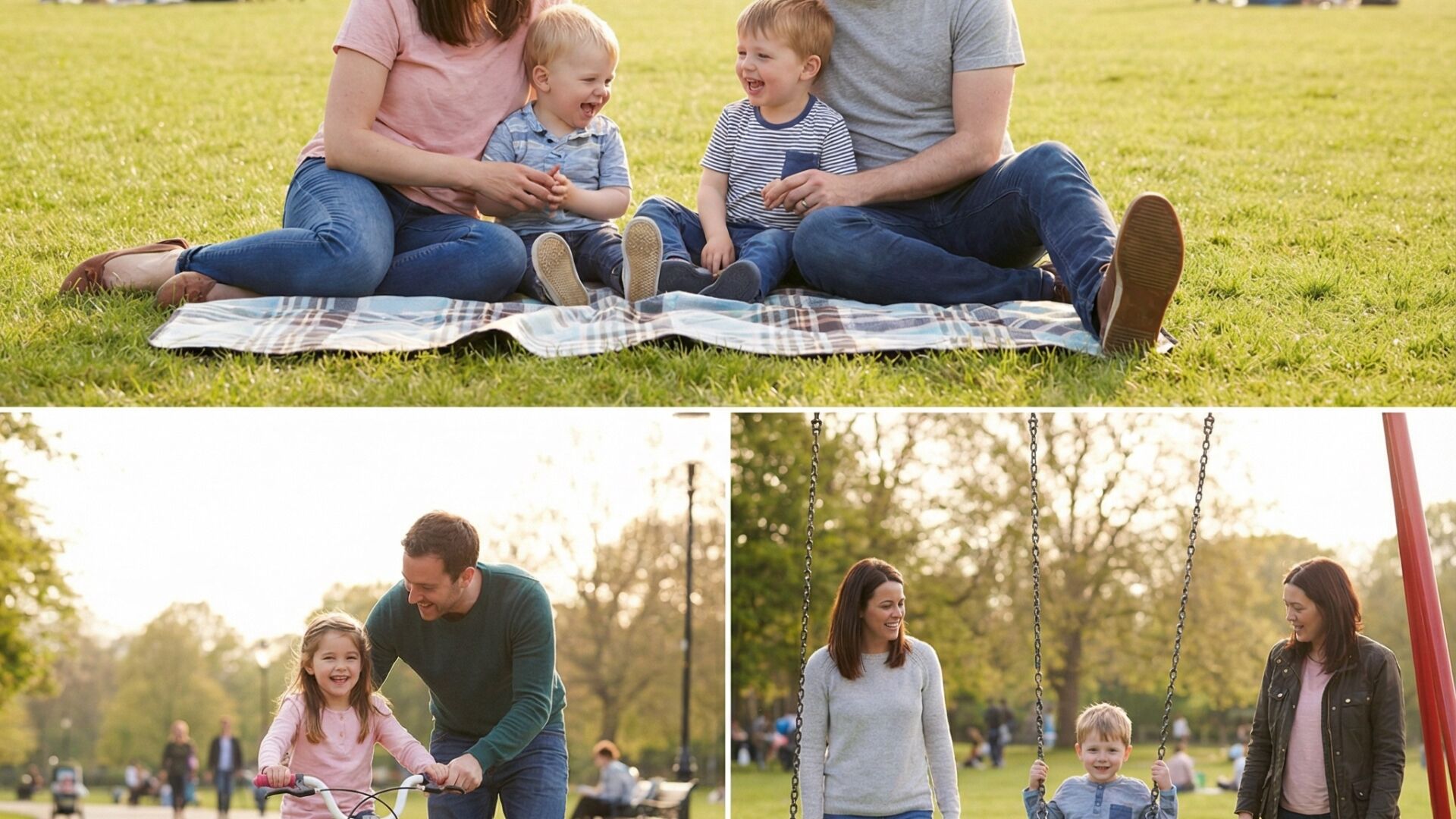

Family psychology is an exciting field that deals with the dynamics within families and their influence on individual behavior. In particular, the parenting patterns that parents use play a crucial role in the development of their children. At nikki.de, we often talk about personal stories, advice, and inspiration, and the topic of parenting patterns is central here. How do these patterns influence our thoughts, feelings, and behaviors in everyday life? In this article, we delve deeply into the effects of different parenting styles and offer you practical tips on how to make positive changes in your life. Let us explore together how a better understanding of family psychology can lead us to a more fulfilling life.
Each parenting style has its own characteristics that strongly influence children's behavior. For example, there are authoritarian, permissive, and authoritative parenting styles. The authoritarian style, marked by strict rules and little emotional warmth, can lead children to become anxious and obedient but often develop low self-esteem. On the other hand, a permissive parenting style fosters creativity and self-confidence but can also lead to difficulties with self-discipline. The authoritative style is considered the balanced method, offering both structure and support, thereby strengthening children's trust. The question is what long-term effects these different styles can have on mental health.
Childhood is a formative time when fundamental values and beliefs are created. In fact, studies show that children who grow up in a loving and supportive environment often have higher self-esteem. These children learn early on how to build healthy relationships and manage conflicts. In contrast, growing up in a negatively shaped environment, where love is conditional, can lead to children struggling to trust others or regulate their own emotions. This explains why it is so important to confront one's own parenting patterns and possibly make improvements in one's own parenting.


Impact on Self-Esteem
As already mentioned, the parenting style has a direct impact on a child's self-esteem. Children who live in an environment where their opinions are valued and taken seriously develop a strong sense of their own abilities. They are able to take on challenges and view setbacks as learning opportunities. In contrast, children who are often criticized and not encouraged may develop doubts about their own abilities. This pattern can persist into adulthood, leading to ongoing difficulties in social and professional life. It is important for parents to recognize how their words and actions influence the development of their children's self-esteem.
It is worth considering how we, as adults, deal with our own insecurities. If we think that our self-esteem is tied to the conditions of our upbringing, we have the opportunity to break this cycle. By consciously working on our own self-esteem, we can be a role model for our children. Methods such as positive feedback, active listening, and healthy communication lay the foundation for a strong self-confidence in the little ones. It is never too late to foster intrinsic motivation and a positive self-image, regardless of the parenting roots we bring with us.
Tips for Positive Change
So if you are thinking about how to improve parenting in your environment, there are some practical steps you can take. Create a family communication strategy where all members can regularly share their thoughts and feelings. This not only promotes understanding but also helps clear up misunderstandings. Schedule regular times for shared activities that strengthen cohesion. Whether game nights or outings – shared experiences foster bonding and build trust. Reflect regularly on your parenting approaches and ask yourself how you can consciously implement positive changes.
Additionally, you can introduce stress management techniques that help both you and your children achieve emotional stability. Mindfulness and meditation can help you reduce emotional outbursts and promote calm communication. Role modeling is also critical: If you treat yourself mindfully, your children will likely adopt this practice. Ultimately, it is about creating a space where emotions can be openly discussed without fear of judgment. By opening up communication, the negative effects of unhealthy parenting styles are mitigated, and positive development is encouraged.
Summary and Outlook
In summary, the way we parent has profound effects on children's emotional and mental well-being. Awareness of various parenting styles and their long-term consequences allows us to actively work on and improve our patterns. Open and loving communication, combined with positive reinforcement, can make a significant difference and sustainably boost children's self-esteem. If you are now inspired to rethink your own parenting approaches, I encourage you to start small and implement changes step by step.
The path to positive parenting is often a journey into one's own past, a learning and understanding of how our own roots influence our actions today. Do not be discouraged – every step towards a more loving and supportive environment is valuable. And remember: it is never too late to make a change, both for yourself and for the next generation. By walking this path together, we can create a positive platform and bring forth a new generation of self-confident, emotionally intelligent adults.