
Mastering Generational Differences in Relationships
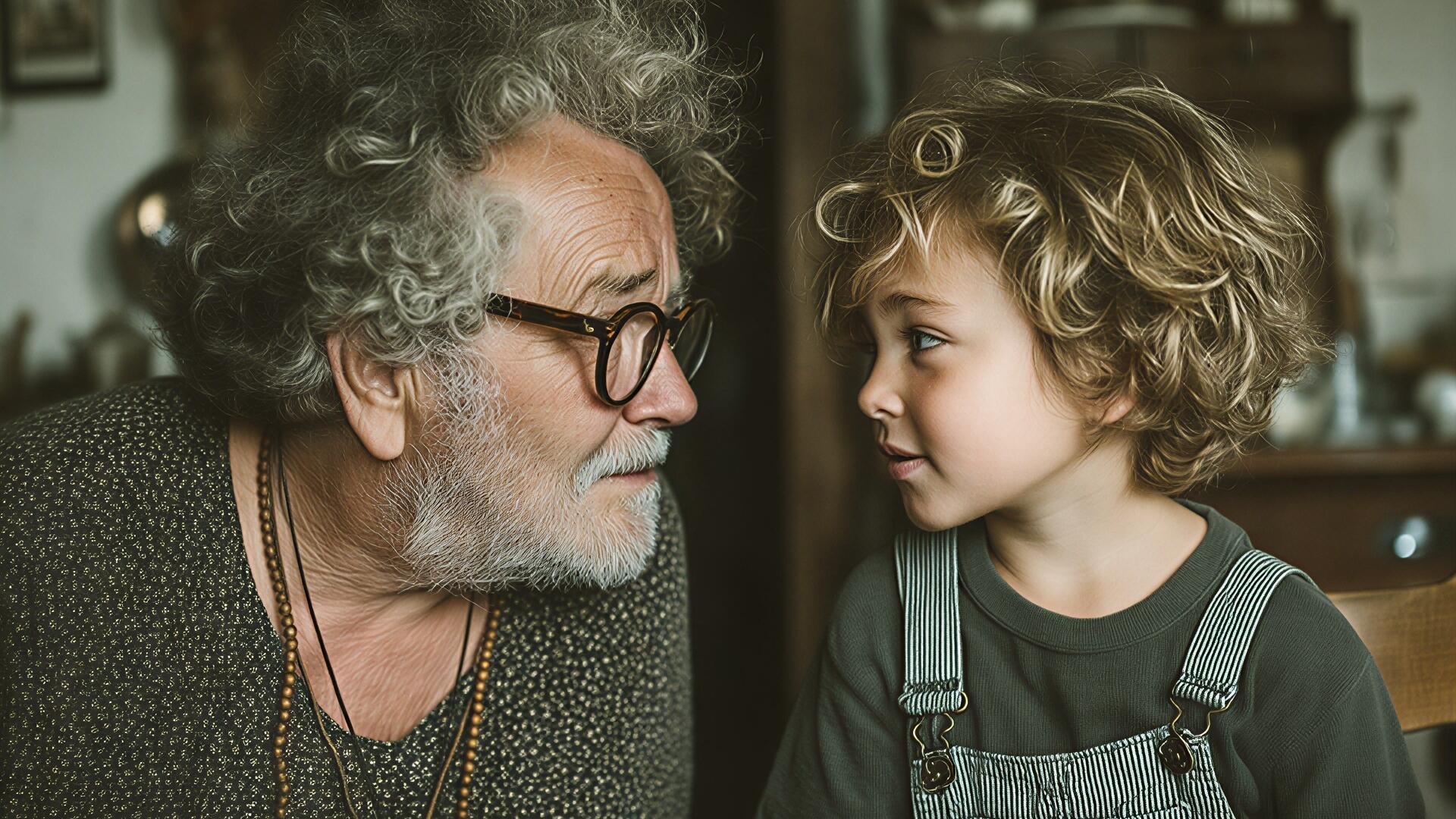

In a world characterized by rapid change, many relationships face the challenge of bridging generational differences. Whether between parents and children, grandparents and grandchildren, or in romantic partnerships, differing life perspectives and values can create hurdles. Yet, it is here that the potential for growth and understanding lies. At Nikki.de, we believe that honest communication and personal development are the keys to deep and meaningful relationships. Our inspiration is to encourage you to be authentic while building bridges between age groups to create a harmonious and respectful connection. In this article, we share strategies that will help you understand these differences and successfully navigate relationships.
Generational differences often arise from diverse life circumstances that have shaped each age group. While the older generation may have been influenced by historical events, societal norms, and traditional values, younger individuals are often shaped by technology and global thinking. To recognize and embrace these differences, it is essential to show empathy and understand the perspectives of others. An open communication foundation can help avoid misunderstandings. Instead of jumping to conclusions, you should ask targeted questions and actively listen. For example, if your partner comes from an older generation and has different views on career or family, you could ask how they arrived at those beliefs. Such conversations not only foster understanding but also strengthen the bond between generations.
Another important aspect of dealing with generational differences in relationships is respect. Respect the viewpoints of others, even if they differ from your own. Avoid becoming defensive or prioritizing your own opinion over that of others. This can often lead to conflict or breakdowns in communication. A strategic approach is to collaboratively seek solutions that are fair to both partners. Be open to compromises and creative in how you can address different needs. This shows that you are willing to embrace the challenges of differing views and work together.


Active Strategy for Communication
An effective method to promote dialogue between generations is to participate together in activities that are appealing to all age groups. Find hobbies or interests that can foster shared values and experiences. This could be a joint sporting event, a cooking class, or travel planning that involves all generations. Such activities not only provide space for fun and relaxation but also encourage interaction and the sharing of stories that can deepen mutual respect. During shared time, old opinions can be questioned, and new perspectives can be discovered, significantly increasing understanding for one another.
Introducing regular family discussions is another helpful strategy for strengthening communication. In these discussions, everyone can share their thoughts and concerns. Creating a safe space where all can speak openly and honestly helps to foster family bonds and can reduce conflicts. Also, try to choose topics that engage the interests of all generations. This allows various perspectives to be highlighted and understanding barriers to be broken down. The courage to talk about differences is a fantastic opportunity to create a deeper connection and promote a balanced relationship.
Learning from Differences
Understanding generational differences in relationships can also be an excellent way to learn from one another. Each generation brings unique skills and insights that can be enriching. Older generations can share their life experiences and wisdom, while younger individuals can often adapt to new technologies or contemporary views more quickly. Use these differences to develop new approaches or view existing problems from various angles. By appreciating and acknowledging the strengths of both sides, you can learn valuable lessons for your personal growth and relationship.
Another benefit of bringing generations together is the opportunity to actively clarify misunderstandings. Conflicts often arise from false assumptions or stereotypical perceptions of the other generation. Direct communication about these misunderstandings can help reduce tensions and create a unified foundation for the relationship. Avoid falling into clichés and try to directly express what you feel. The more you learn about the other person, the less room there is for prejudice in your thoughts. This contributes to creating a more open and respectful relationship.
Conclusion and Outlook
In summary, understanding generational differences in relationships is a fulfilling journey. Through empathy, respect, and active communication, you can build bridges and promote deep relationships across different age groups. It is crucial to value the varying experiences and values that each generation brings. Use the strategies mentioned above to communicate better, show understanding, and peacefully resolve conflicts. This will not only strengthen the bond between generations but also promote your personal growth.
In the context of a changing world, it is essential not to see these generational differences as obstacles but as an opportunity for enrichment. Be open to new perspectives and encourage yourself and others to initiate dialogue. Remember that any relationship based on understanding and respect is one that can withstand challenging times. Do not lose courage when faced with challenges; use them as tools for growth and connection. Thus, every encounter with other generations becomes a valuable part of your life journey.