
Strengthening Conflict Resolution Skills for Relationships
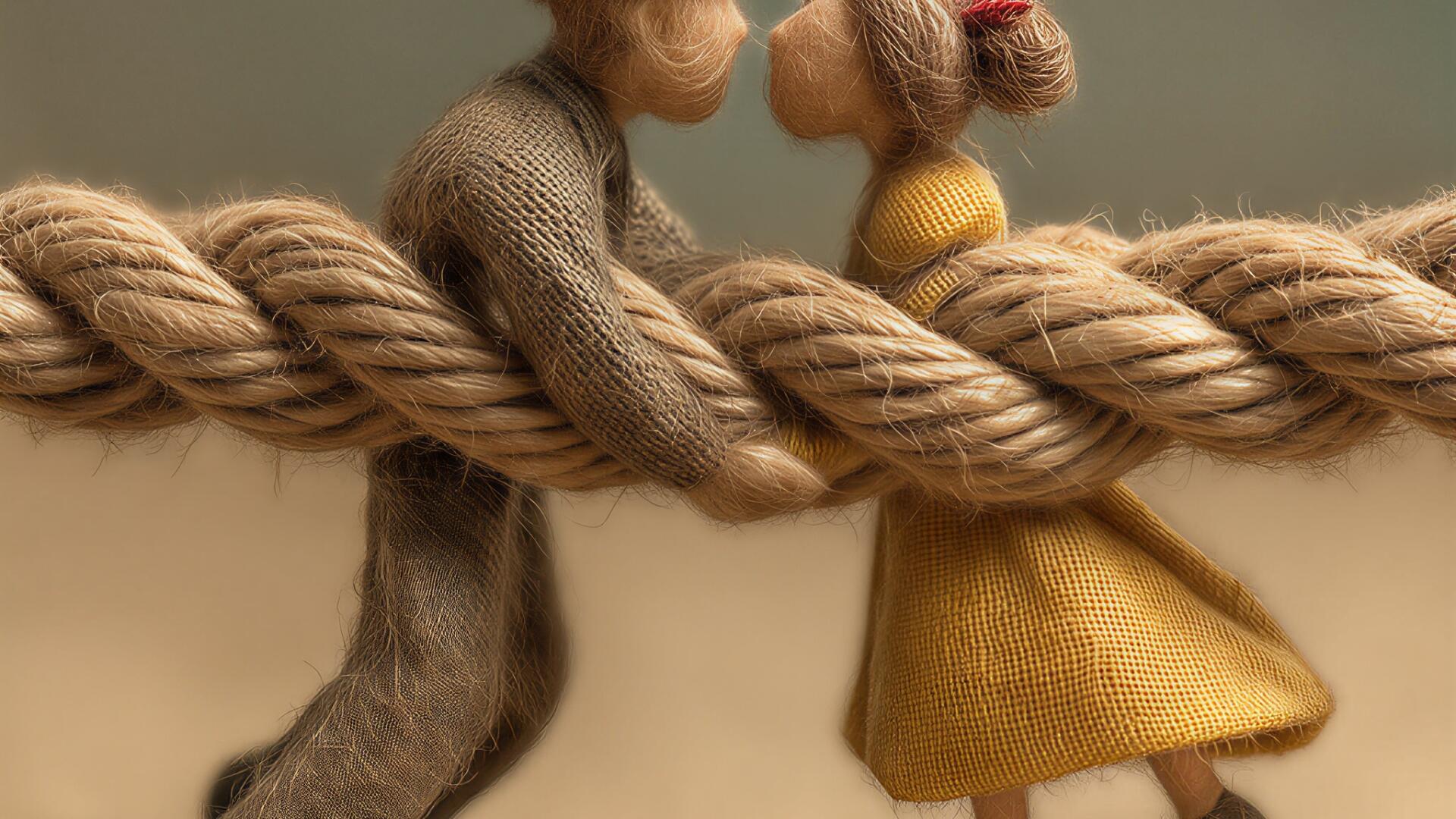

Conflicts are a natural part of any relationship, be it with partners, friends, or colleagues. The ability to resolve conflicts constructively means not only enduring disagreements but also growing through challenges and strengthening the relationship. At lifescout.com, we support you in developing this essential skill to find harmony between external success and inner peace. In a world full of information, it’s important to capture what truly matters, such as building healthy relationships. This article discusses strategies that help you cultivate a constructive culture of debate while treating others with respect and empathy.
To successfully manage conflicts in relationships, it is crucial to understand the underlying emotions and needs. Often, misunderstandings and tensions are not about the topics themselves but about the unfulfilled expectations or fears of those involved. If you feel that your counterpart does not understand you during a disagreement, it can be helpful to take a break to sort out your thoughts. Clear communication is key; seek common values and goals to lay the foundation for a respectful conversation. If you notice that emotions are running high, a short interruption can help de-escalate the situation and increase the chance of having a productive dialogue.
Another important aspect of conflict resolution is the ability to actively listen. Sometimes we are so focused on asserting our own viewpoints that we do not truly consider the other person’s perspective. Active listening means hearing the other person's words and, beyond that, recognizing the emotions and needs behind them. You can foster this by asking open-ended questions and reflecting aloud on what your conversation partner has said before expressing your opinion. This technique not only improves understanding but also builds trust and strengthens the connection between those involved.


Techniques for Constructive Debates
Using 'I' messages is a simple yet effective technique to improve communication in conflict situations. Instead of making accusations or using 'you' messages that can come off defensively, describe how you feel and what you need. For example: 'I feel overlooked when you look at your phone during our conversation.' This type of communication promotes respectful exchange and reduces the likelihood that the other person will become defensive.
Additionally, it can be helpful to adopt a positive attitude towards conflicts. Instead of viewing conflicts as threats, see them as opportunities for improvement and growth. Ask yourself what you can learn from the situation or how it could help strengthen your relationship. This shift in perspective can significantly change the way you experience conflicts. Remember that the goal is not always to be right but to find a solution that is acceptable to all parties involved.
Another building block of a constructive culture of debate is flexibility. Be willing to make compromises and consider various solutions. There are often multiple ways to solve a problem, and sticking to rigid positions can only exacerbate the conflict. Instead, an approach that is open to alternatives can not only accelerate the resolution of the problem but also create a sense of satisfaction for all parties.
Emotional Intelligence and Empathy
Pay attention to how emotional intelligence plays a crucial role in conflict situations. By being aware of and understanding your own emotions, you are better able to respond to the feelings of others. Try to see the situation from the other person's perspective. What could be the motives behind their behavior? This type of empathy can help reduce defensiveness and establish a connection that fosters understanding and supports conflict reduction.
For many people, it can be helpful to consciously prepare their emotions before important conversations. By recognizing what feelings may be at play for you or your counterpart, you can better respond to them. Often, it’s not just the current conflicts that impact the conversation but also past disappointments or injuries that resurface. Clear your emotions before entering a dispute to gain clarity about your needs and argue from a neutral position.
Mistakes are part of the learning process; so do not be too hard on yourself or others when something goes wrong. It is important to initiate a constructive reflection phase after a conflict. What worked? What could we do better next time? This conscious process of reviewing can deepen understanding and further strengthen the relationship.
Conclusion and Calls to Action
In summary, conflict resolution skills are essential for strong relationships. They promote understanding, respect, and connection between those involved. By applying techniques such as 'I' messages, active listening, and flexibility, you can build a constructive debate culture in your relationships. Remember that emotional intelligence and empathy are key qualities that improve communication and help resolve conflicts more efficiently.
Keep in mind that conflicts are not the end of a relationship, but a chance to deepen it. Every disagreement is an opportunity to learn more about yourself and the other person. Invest time and energy in developing your conflict resolution skills, for they are the key to a fulfilling and long-lasting connection with others. Be brave and take the first step toward respectful dialogue.
Use the strategies and techniques discussed in this article and integrate them into your daily life. You will find that conflicts become less burdensome in the future and instead are perceived as opportunities for growth and improvement. With a clear focus on communication and understanding, you can maximize the positive aspects of each relationship and find common solutions.