
Blended families: Strengthening the bond between step-siblings
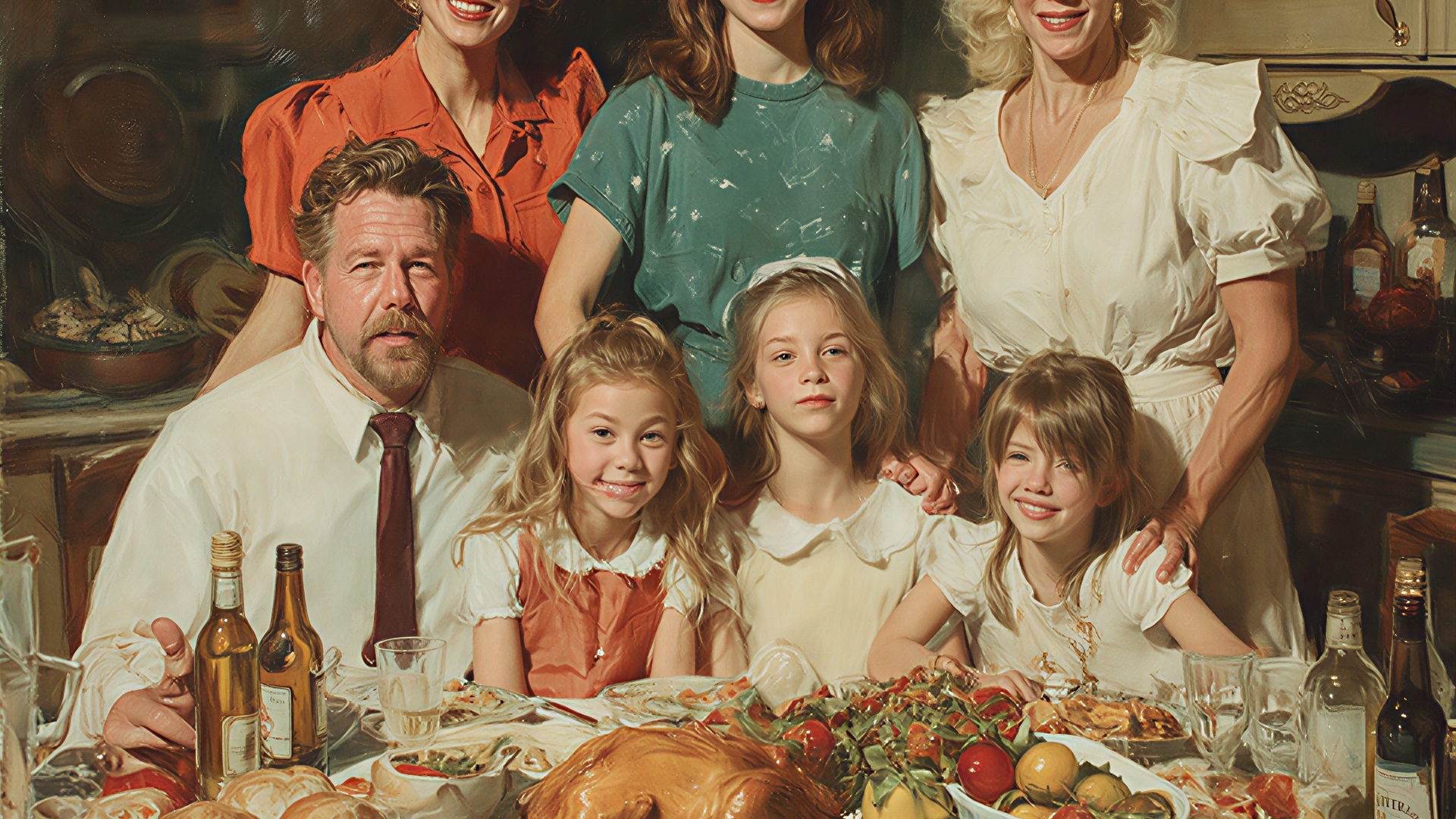

Blended families often face unique challenges, especially regarding the relationships between step-siblings. In these modern family structures, everyone brings their own history and dynamics that can influence shared time and bonds. On lifescout.com, we want to present you with valuable strategies to strengthen relationships between step-siblings and create a harmonious family environment. In this article, we take a look at the typical challenges that may arise in blended families and show you how to actively promote the emotional connection between step-siblings.
The first encounters between step-siblings can often be exciting but also challenging. When two children from different families meet, they may initially feel insecure or even hostile towards each other. To overcome this initial situation, it is helpful to create a neutral space where the children can get to know each other and feel more comfortable. Shared activities that both enjoy, such as games or outings, can help break down initial barriers. It is important that you, as a parent, encourage the children to communicate with each other and express their feelings.


Understanding different backgrounds
Every family has its own traditions, rules, and structures that shape children’s behavior and expectations. It is important that you support the children in understanding both their own and the new family dynamics. Conversations about differences and similarities can help reduce suspicion. You can also ask targeted questions to encourage the children to share their experiences and talk about their feelings. This understanding of each other can help clarify misunderstandings and create a deeper connection.
When step-siblings recognize and accept their differences, they not only foster their relationship but also improve the overall family atmosphere. Parents should be ready to treat all children equally and ensure that no one feels disadvantaged. Open communication can help make sure that all children feel valued. Engaging in family discussions, where every child is heard, can further strengthen the bond.
Establishing shared rituals
One way to intensify the bonds between step-siblings is to introduce shared rituals that strengthen the family as a unit. Such rituals can include regular game days, movie nights, or even weekly outings. These activities not only create lasting memories but also promote collaboration and team spirit among siblings. Allow creative space for fun and curiosity – the more creative the suggestions, the more the whole family will want to participate.
It's also sensible to involve the children themselves in planning these rituals. By taking their ideas into account, you give them the feeling that their opinions matter and foster a sense of belonging to the new family. Through contributing to the activities, the children learn to consider others' perspectives, leading to respectful interactions.
Open communication and conflicts
Conflicts can also occur frequently in blended families, especially when different habits clash. It is crucial that you support the children in expressing their feelings and needs clearly during a conflict. If an argument arises, encourage them to share their viewpoints respectfully and to listen to each other. Parents can play a moderating role here to facilitate the conversation constructively and reach a solution.
Remember that it is normal to have conflicts in a new family situation. What matters is how you handle it. An open attitude from you as a parent helps the children learn that conflicts can also provide opportunities for growth and stronger relationships. The children can thus learn to view conflicts more calmly and accept them as part of a meaningful relationship.