
Strategies for Dealing with Loss in Relationships
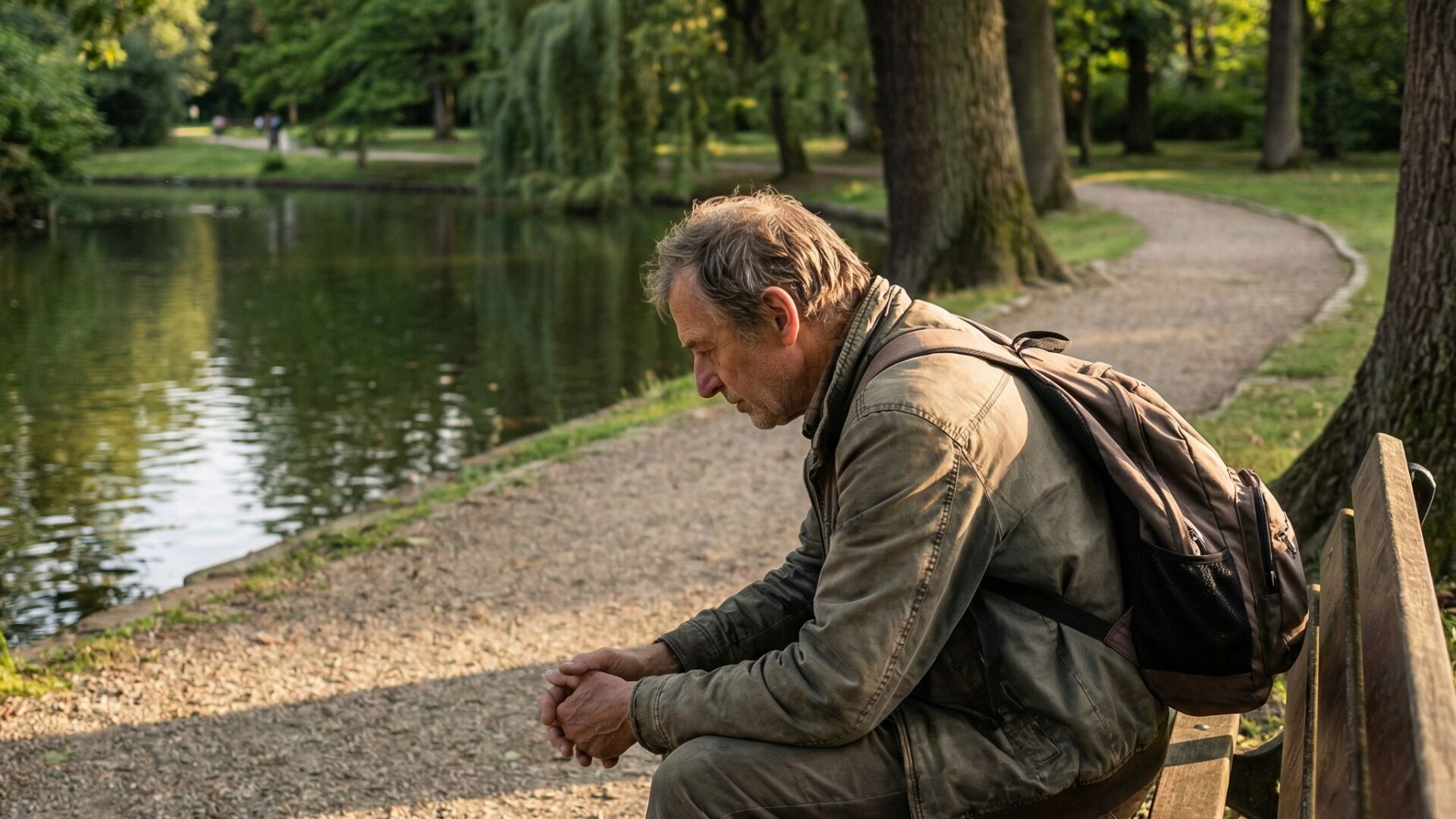

The loss of a loved one can leave deep scars in relationships. How you can cope with grief in such times is not only a matter of personal strength but also the support you receive from your partners and friends. At Georgia.de, we support women in navigating difficult life situations and finding a new perspective on life. In this article, we discuss strategies that can help you not only cope with your own grief but also support your partner or friends who have experienced loss. It’s important to understand that each person grieves in their own way, and there are different ways to navigate these difficult times together. Let us learn together how we can cope with loss in relationships while strengthening our connection to our loved ones.
First, we should be aware that grief is a natural process that manifests itself in many phases. At the beginning, people often feel an overwhelming sadness, which can express itself in anger, guilt, or even denial. These are more than just emotional reactions; they are part of the healing process. It is important that you allow these emotions and give them space. In a relationship, this means both partners should talk openly about their feelings. Often, it helps to grieve together by sharing memories or creating special rituals to honor the deceased. These ceremonies can help transform grief into a form of connection and shared healing.


Maintain Open Communication
One of the most effective strategies for dealing with grief in relationships is open communication. Try to create an atmosphere in which everyone can express their worries and feelings without fear of judgment. This can initially be challenging, especially if one of you feels isolated or misunderstood. A good start is to set a time when you can talk without interruptions. This strengthens the space for honest exchange. Encourage your partner to share about their vulnerability as well and share your own feelings. This way, you show each other that you are not alone and can build mutual support.
Moreover, it can be helpful to let actions speak, not just words. Small gestures of care, such as cooking favorite dishes or organizing a shared outing, can help strengthen the connection. Such actions show that you are there for your partner, even if you don't always find the perfect words. Sometimes, it is okay to just listen without giving advice. The feeling of being heard and understood is immensely important. This strengthens bonds and transforms grief into a communal experience.
Another important aspect are the boundaries you may need to set. Grief can lead us to withdraw or neglect the needs of our partner. Therefore, it is essential to recognize when you need time alone to process and when you want to be close to your partner. Discuss these boundaries together. This way, you ensure that neither of you feels overwhelmed and that both partners can follow their own healing paths while still enjoying each other’s support.
Rituals and Memories
Rituals can be an effective way to cope with loss. They give us a space to maintain the connection to the deceased. For instance, you could designate a specific day each year as a day of remembrance to commemorate together. Whether it’s lighting a candle, sharing anecdotes, or visiting the grave—such routines can have a calming influence on grief feelings. Creating a memory book where beautiful moments and thoughts are recorded can also be a valuable way to keep the deceased in your heart and daily life.
The art of remembrance can also find expression in the form of art, music, or literature. Perhaps there are songs that comfort you or books that articulate your thoughts about loss and grief. Cultural or spiritual rituals that are meaningful to you and your partner can also help transform grief into something positive. Think of shared traditions that remind you both of the beautiful aspects of your shared life and make the healing process easier.
Ultimately, it is important to focus on the life and the positive memories you shared with the deceased. It can be helpful to look at old photos together or reminisce about happy moments you shared. This allows you to highlight the beauty of life, even when it is marked by grief. It speaks to the love and positive associations you share, and can help alleviate the grief over the loss.
Growth After Loss
The loss of a loved one can also be seen as an opportunity for personal growth. This does not mean trivializing the loss, but recognizing the positive lessons amid the grief. Many people report that after a loss, they develop a deeper appreciation for the relationships in their life. The awareness of transience can inspire us to live our time with loved ones more consciously and view them in a new light. This can also be an opportunity to reassess what is truly important in your relationships.
Be sure that your own well-being is not neglected during the grieving process. Seek support, whether from friends, confidants, or professional services. Sometimes, we need a neutral perspective to better understand our feelings. This can ensure that you do not remain alone with your pain and find better coping strategies. Grief is an individual process, but with the right support, this challenging time can be navigated together more effectively.
In summary, dealing with loss in relationships can be both challenging and enriching. By maintaining open communication, engaging in shared rituals, and practicing mindfulness, you can support your partner’s grieving process while also creating your own space to grieve. The connection that develops can form a deep and lasting foundation for a relationship. Let grief flow into daily life, remember the good times, and use the challenges as opportunities for conscious growth. Remember: After every loss, there is the possibility of a new beginning, and together you can overcome any challenge.