
Strategies for conflict resolution for couples
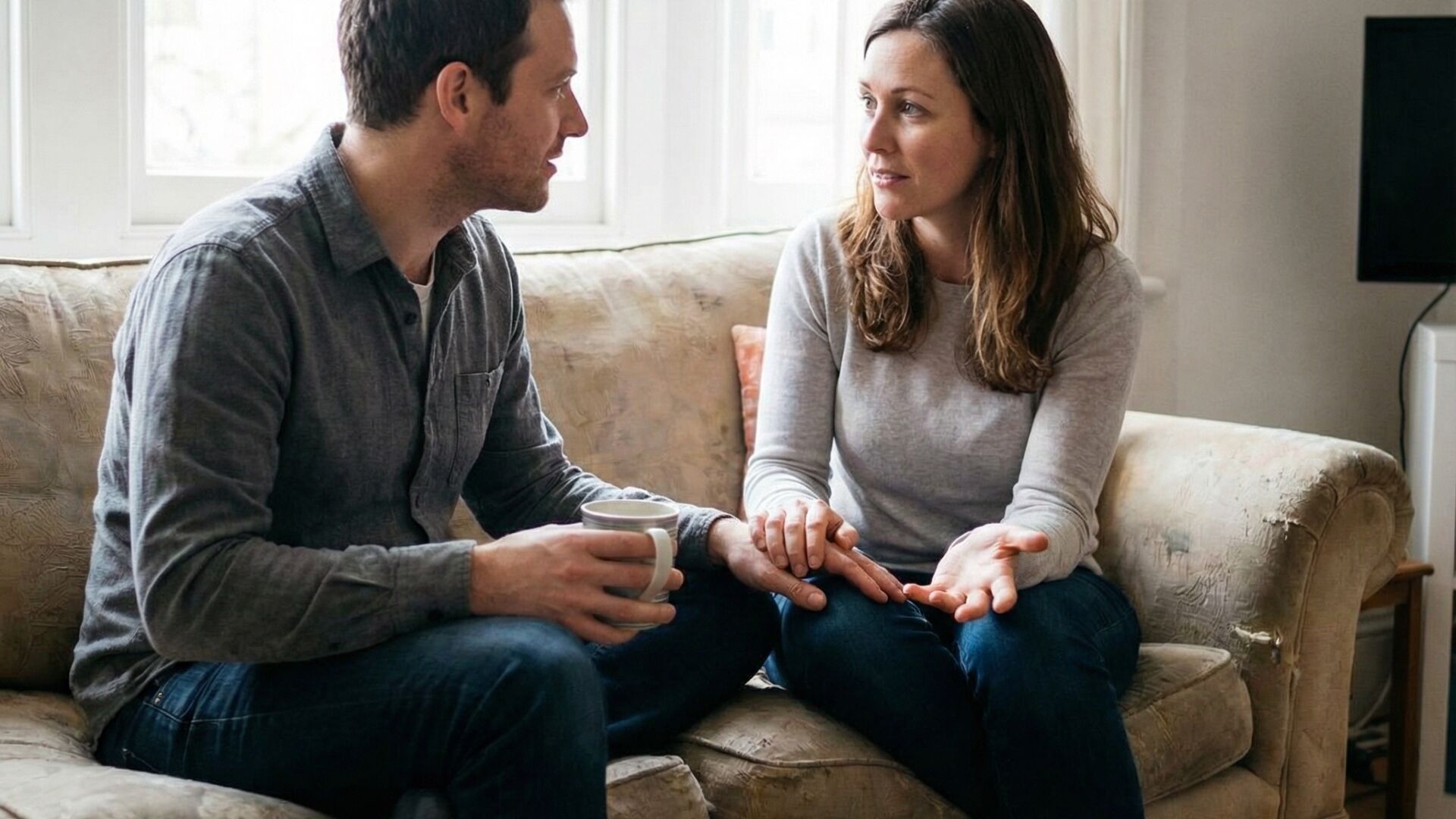

Conflicts are inevitable in any relationship and can pose a major challenge. How you and your partner handle it can significantly affect the strength and health of your relationship. At lifescout.com, we support women in mastering challenging situations in their relationships to create harmonious and trusting connections. Conflict resolution strategies are essential, as they not only help untangle conflicts but also provide deeper insights into the needs and feelings of the partner. This article offers valuable insights and practical tips for couples to successfully navigate challenges in their relationships.
The first step to effective conflict resolution is communication. Open and honest conversations are crucial to avoid misunderstandings and to express the feelings of both partners. Many couples fail assuming that their partner should know what they feel. It is important to communicate clearly and directly what bothers or burdens you. This also requires active listening; both partners should be willing to listen to one another without immediately judging or reacting defensively. Positive communication can lead to viewing conflicts as opportunities for growth and understanding.
Another important element is understanding perspectives. Sometimes it can be helpful to take your partner's viewpoint to understand why they feel or act in a certain way. This promotes empathy and understanding. For example, you can talk during calm moments about how different experiences and backgrounds influence your opinions. This technique not only helps to diffuse the conflict but also fosters a closer bond between partners.


Techniques for conflict resolution
A popular technique is the 'I-message'. Instead of blaming your partner, you can express your own feelings and needs by starting with 'I feel...'. For example: 'I feel sad when you come home late because I feel alone.' This reduces the likelihood of the partner becoming defensive and promotes constructive conversations. Such formulations often evoke more understanding and help steer the discussion in a positive direction.
Another useful approach is setting rules for discussions. Many couples benefit from making agreements about how they want to address conflicts. This might include not insulting each other during a quarrel and giving everyone a chance to express their opinion without being interrupted. These rules create a respectful framework that minimizes emotional escalations during a conflict and leads to productive problem-solving.
Additionally, it can be helpful to introduce regular 'check-ins'. These are scheduled times to talk about your relationship and identify potential issues early before they escalate into larger conflicts. This keeps your communication open, and you can proactively work on your relationship.
The role of empathy
Empathy plays a central role in conflict resolution in relationships. Empathy means understanding and accepting the feelings and perspectives of the partner. When you recognize how your partner feels, you feel less isolated in your own emotions. This can help build bridges and create a deeper connection. A simple 'I understand this must be difficult for you' can often work wonders.
Therefore, it is important not only to focus on your own feelings but also to actively ask how the other person is doing. Questions like 'What do you need in this moment?' or 'How can I support you?' can open the dialogue and show that you care about your partner's well-being.
Conclusion and practical tips
In summary, dealing with conflicts in relationships is a challenge that can be managed with the right strategies. Open communication, taking perspectives, and empathetic behavior are crucial factors for healthy conflict resolution. Remember to take small steps and work regularly on your relationship. All these techniques require practice, patience, and the awareness that each relationship is unique and requires different approaches.
By viewing conflicts not as a threat but as an opportunity for growth, you and your partner can build a deeper, more meaningful connection. Stay patient and don't give up; conflict resolution skills improve over time as you work on them together.