
How mindfulness improves our way of thinking
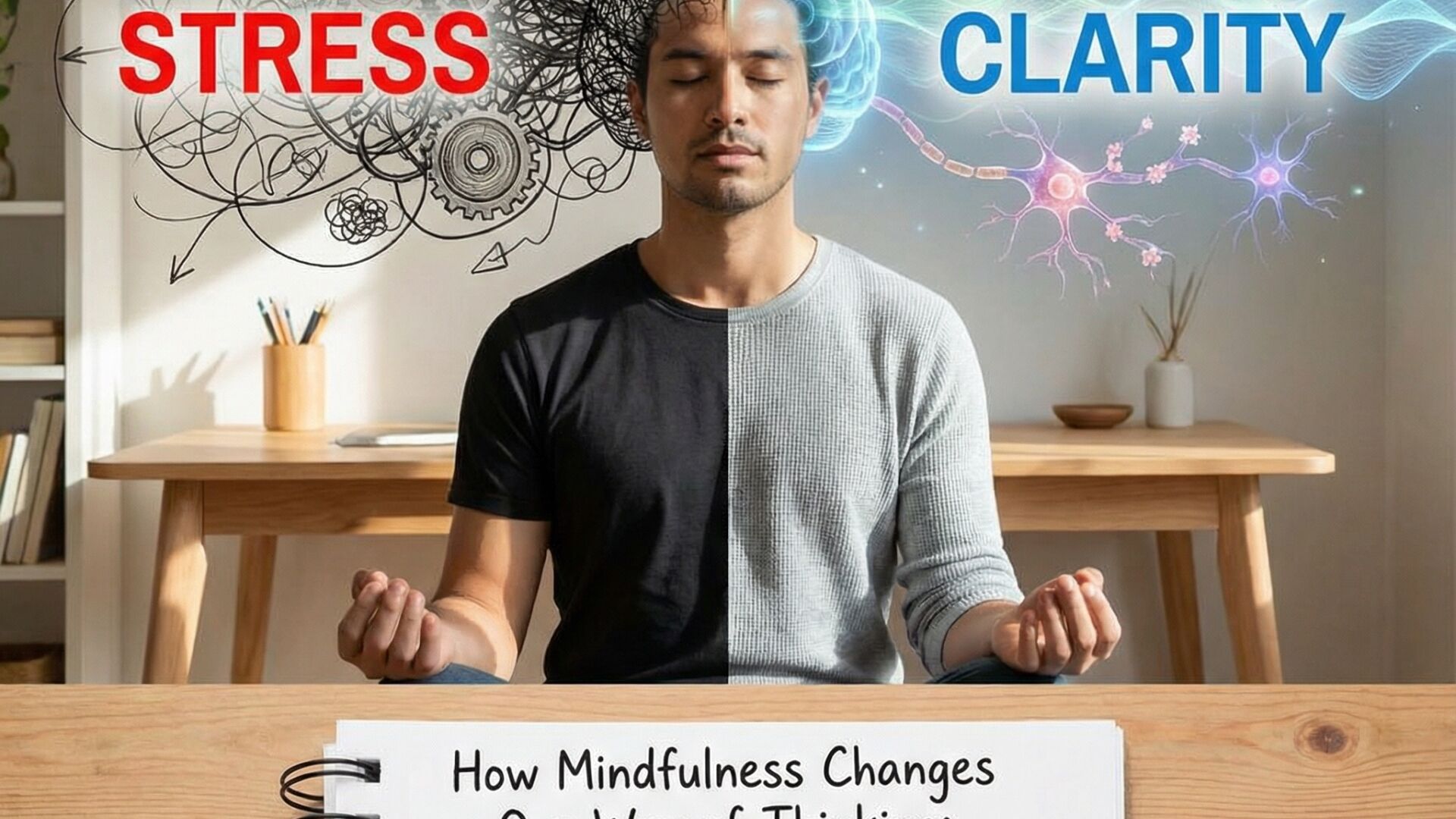

Mindfulness is more than a trend – it is a way of life that can fundamentally change our thinking and feeling. At Lifescout.com, a platform that supports women in improving their relationships and personal growth, we address the question of how mindfulness has positive impacts on our way of thinking. In this article, we explore how the practice of mindfulness can not only enhance our emotional well-being but also clarify our thinking and improve our decisions. You will learn how mindfulness helps you find inner balance and how it can assist you in living more consciously and contentedly.
The practice of mindfulness originates from Eastern philosophies and became popular in the West as a therapeutic tool. Mindfulness means being present in the current moment and observing your own thoughts, feelings, and bodily sensations without judgment. When you are mindful, you create a space between a stimulus and your reaction. This space allows you to reflect on your impulsive reactions and make more conscious decisions. Studies show that mindfulness practices can help reduce stress and increase cognitive flexibility, leading to clearer thinking.


Mindfulness and our thought patterns
Through mindfulness, you can recognize negative thought patterns and understand the influence they have on your emotions and decisions. Many people struggle with inner critical voices or inflated expectations. Mindfulness teaches us to question these thoughts rather than viewing them as absolute truths. When you begin to observe your thoughts instead of being swept away by them, new perspectives open up. A simple example: If you feel like you are going to fail an exam, through mindfulness, you can observe this fear and distance yourself from it instead of unreflectively adopting it.
Mindfulness also helps calm the automatic reaction to stress. Many people tend to quickly fall into a 'fight or flight' mode in stressful situations. Through regular mindfulness practice, you can learn to respond more calmly and focused. This can be especially useful in challenging conversations or conflicts, where it is important to respond thoughtfully rather than impulsively. It is worthwhile to practice and observe how such changes can influence your thinking and decisions.
Another positive effect of mindfulness on our way of thinking is the ability to sharpen focus. When we focus on being present, internal distractions decrease. You will become more awake, attentive, and better able to concentrate on your daily tasks. Mindfulness allows you to organize your thoughts and gain clarity about your priorities in life. This will make it easier for you to make conscious and informed decisions.
Practical tips for mindfulness
To integrate mindfulness into your life, you can start with short daily exercises. A simple method is breathing meditation: Sit in a quiet place, close your eyes, and focus on your breath. Let thoughts come and go without dwelling on them. Take at least five to ten minutes each day for this. You will quickly notice how your ability to be present improves and how it positively influences your way of thinking.
Another way is to incorporate mindfulness into everyday activities. Whether eating, walking, or brushing your teeth – try to perform these actions consciously and with full attention. This can help sharpen your perception and naturally bring mindfulness into your life. Learn to appreciate the little things and be present during them.
Conclusion and outlook
Mindfulness has the potential to transform our way of thinking by helping us think more consciously and clearly. The practice of mindfulness enables us to break negative thought patterns and provides tools to cope with stress and emotional challenges. When you learn through mindfulness to live in the moment and observe your thoughts, you will find that you are not only more attentive but also more satisfied in everyday life.
Moreover, mindfulness fosters self-awareness and emotional intelligence. You will be able to set healthy boundaries and navigate relationships more effectively. These skills are important for finding balance between work and personal life and maintaining fulfilling relationships. The journey to mindfulness is individual and ongoing, but every step in that direction is valuable and enriching. So let this practical philosophy guide you and discover the positive changes in your life.
Embrace the opportunities that mindfulness offers you to not only sharpen your mind but also open your heart and shape your life more consciously. As you have learned, mindfulness is a powerful tool to change your way of thinking and reclaim control over your life. Start today, and take the first step towards a more mindful, fulfilling life.