
How to Recognize and Leave Toxic Relationships
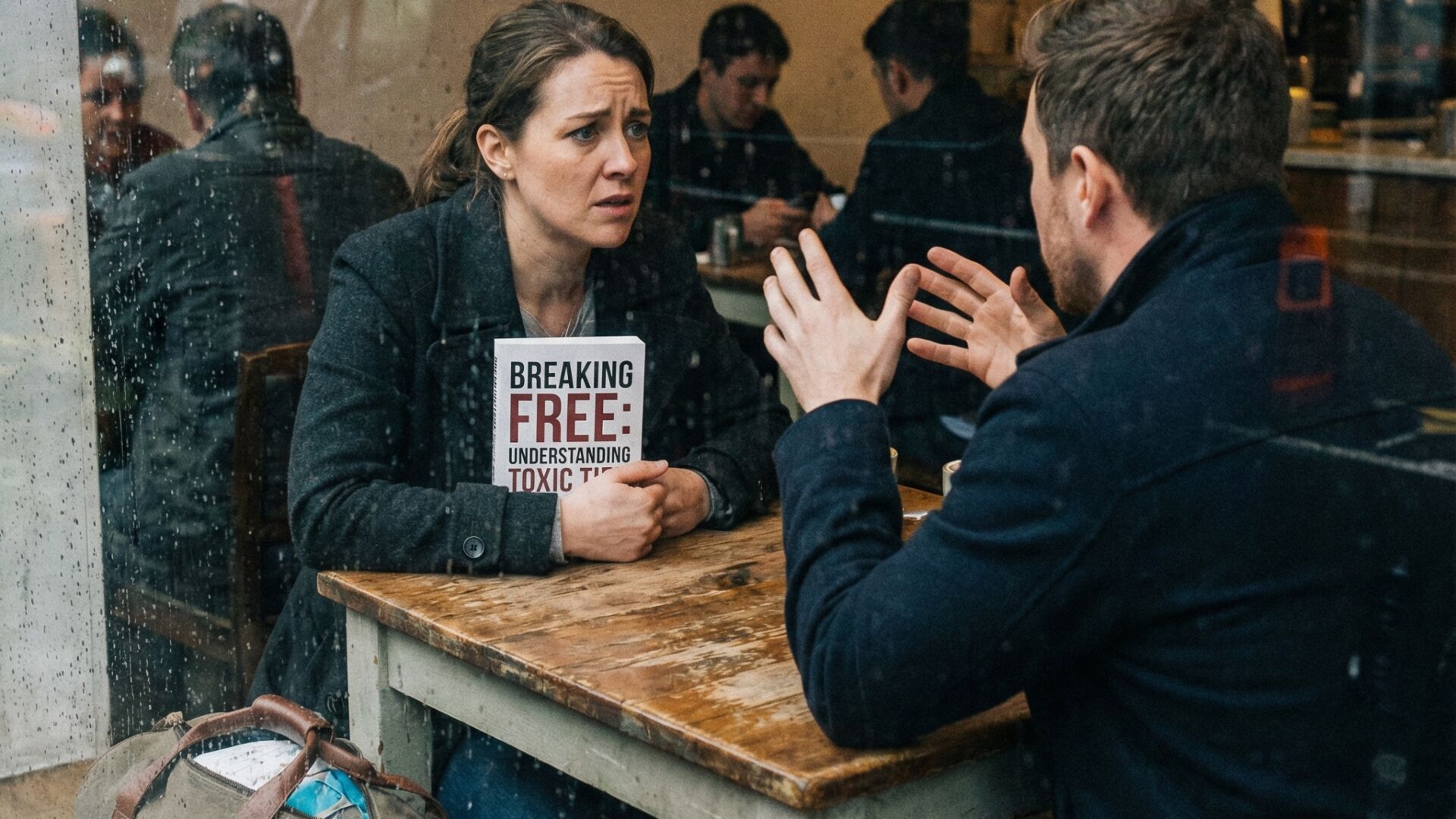

In a world where interpersonal relationships often form the foundation of our happiness, it can be particularly difficult to distinguish between healthy and toxic behaviors. At lifescout.com, a platform that inspires and empowers women, we therefore dedicate ourselves to the topic of toxic relationships. We delve into the psychological aspects of these relationships to understand how they can negatively impact our lives. You will learn to recognize the signs of a toxic relationship and receive practical tips on how to free yourself from these relationships and thus enhance your emotional well-being. The path to self-realization often begins with the ability to set healthy boundaries and recognize what is truly valuable to you. Let’s explore together how you can identify toxic bonds and liberate yourself from them.
First, it is important to define the word "toxic." Toxic relationships are those in which one partner's behavior causes emotional or physical harm. Often, these relationships are characterized by an imbalance of power, with one partner controlling or manipulating the other. Behaviors such as constant criticism, gaslighting – questioning one's own perception – as well as emotional or even physical violence frequently occur. Such behaviors can start subtly, so you might not realize how much they burden you until later. Your well-being is not only compromised, but your self-esteem also suffers. Pay attention to these signs to recognize early on when a relationship becomes toxic.


Signs of Toxic Relationships
A central sign of a toxic relationship is the constant criticism you experience. If your partner frequently conveys to you that you are not good enough – whether concerning your appearance, abilities, or decisions – this can be very harmful. This leads not only to a persistent feeling of insecurity but can also significantly undermine your self-confidence. A partner who does not accept you as you are is often a signal that the relationship is not healthy. Keep an eye out for whether you feel worse than good in the relationship. If that is the case, it is time to question the dynamics of the relationship.
Another clear indicator of toxic relationships is the phenomenon of gaslighting. This is a manipulation strategy in which one partner tries to make the other doubt their own perception and sanity. You might frequently hear statements like, "You said that differently" or "You're exaggerating, it wasn't that bad." Such statements can significantly undermine your reality and self-awareness and lead you to question your own perception, reinforcing dependency on your partner. This form of emotional violence is insidious and can be hard to recognize.
Strategies for Exiting
Once you recognize the signs of a toxic relationship, the next step is to exit. First, you should give yourself the space and time to reflect on this decision. It can be extremely helpful to talk to trusted friends or a therapist about your situation. The different perspectives of outsiders can help you sort your thoughts and understand what emotions are at play. Your friends can support you and provide the backing you need in such a critical moment.
If it involves emotional withdrawal, it is important to set clear boundaries. Communicating your needs is essential to advocate for your own well-being. Make it clear to your partner how their behavior has impacted you. If your partner is not willing to acknowledge these issues or work on themselves, it is often time to prioritize your own needs and put an end to the relationship.
The Path to Healing
The final farewell to a toxic relationship is just the first step on the road to your own well-being. It is normal to feel sadness, anger, or even fear, but these feelings are part of the healing process. Take time to reflect on what you can learn from this experience. Set small, achievable goals to rebuild your self-esteem. This can be accomplished through pursuing hobbies, nurturing friendships, and learning new skills.
Remember that healing takes time. You will continue to encounter challenges in the future, but it is important that you value and respect yourself. The path to self-love and emotional independence is often rocky, but every step you take brings you closer to a fulfilling and happy life. Surround yourself with people who support and encourage you; you are worth it!
In conclusion, it is important to prioritize yourself. Take the insights from your experience and use them to build healthy relationships in the future. You deserve to be loved without having to bend yourself for it. Listen to your gut and set boundaries that respect your values. Discovering and avoiding toxic relationships is an important step in your life. You have the power to make better choices for yourself.