
How Colors Influence Our Mood


Colors are not just aesthetic elements in our environment; they also significantly influence our mood and behavior. The psychology of colors is a fascinating topic that helps us better understand emotional reactions to different colors. At Lifescout.com, your personal navigator for conscious living, you will learn how to harness the power of colors to find harmony between outer success and inner peace. In a time of information overload, we offer you profound impulses for personal growth and help you make the right decisions for your well-being. Let's explore the relationship between colors and emotions together so you can engage more consciously with your surroundings and better understand your inner world.
Color psychology shows that different colors can trigger various emotional reactions. For example, blue is often associated with calmness and serenity, while red embodies passion and energy. These sensations are not only culturally conditioned but also biologically rooted. Research has shown that colors can influence the release of certain hormones and neurotransmitters in the brain. If you spend a lot of time in a blue room, you may feel more relaxed and focused. In contrast, a red room can stimulate you and boost your energy. It is essential to be aware of these effects to intentionally design your environment.
Moreover, individual experiences and personal preferences play a role when it comes to the effects of colors. What is calming for one person may be irritating for another. Think about your own colors: Which colors attract you? Do you have a favorite spot in a certain color that makes you happy? Such preferences are often deeply rooted in our memories and emotions. Understanding this personal color dynamic can help you create an environment that actively enhances your mood.
The Impact of Colors in Daily Life
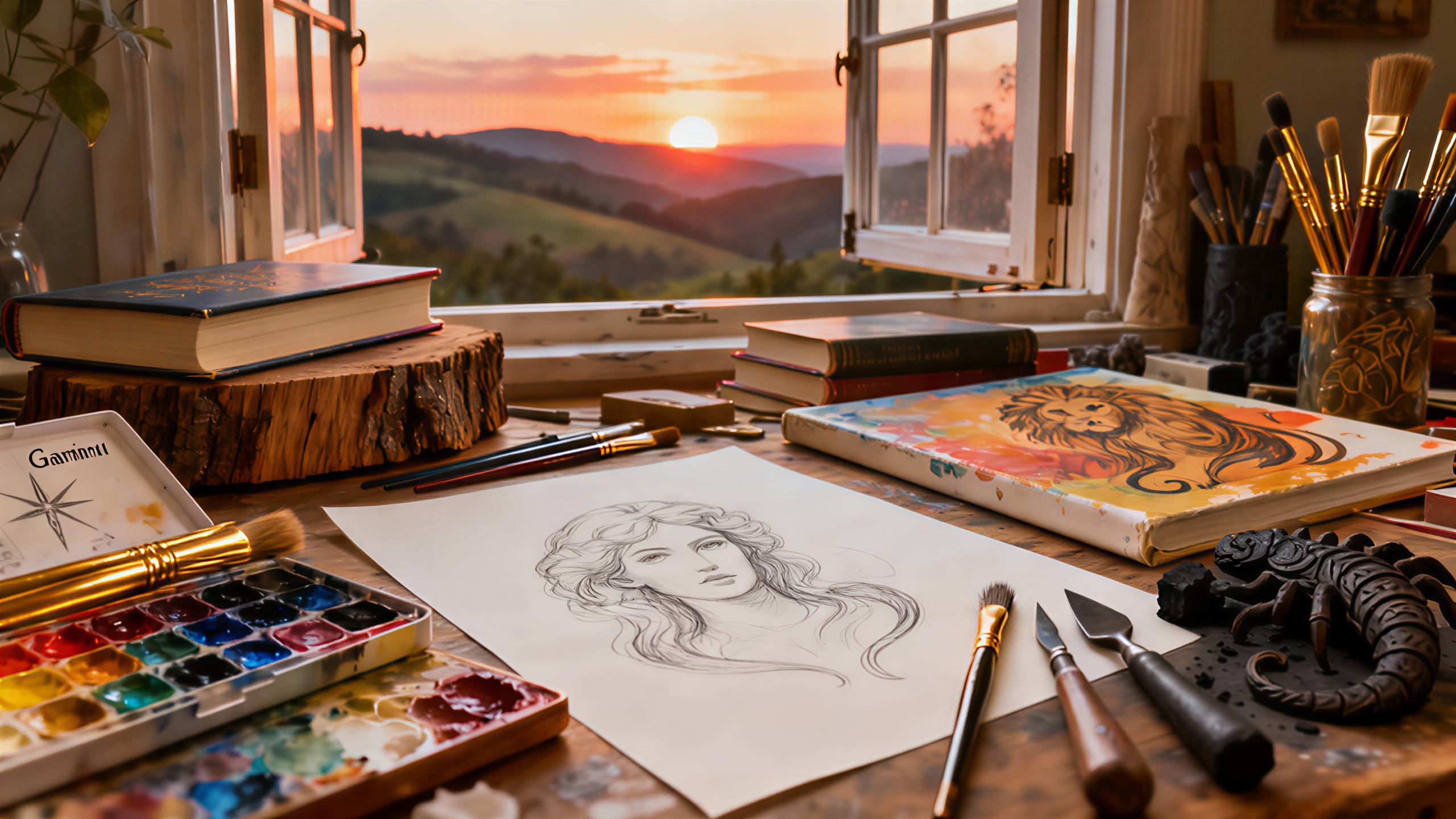
Colors affect us not only emotionally but also cognitively. For example, research shows that working in colorful offices can boost creativity. A vibrant environment often motivates greater engagement and innovative spirit. This is also utilized in advertising: Brands strategically choose colors to evoke specific feelings and reach their target audience. You can use these principles for yourself by designing areas in your home or office that support your desired mood. For instance, when taking on creative projects, you might integrate inspiring colors like yellow or orange.
Additionally, colors are closely tied to cultural meanings. In many cultures, the color white has different associations. In Western countries, it is often associated with purity and innocence, while in some Asian cultures, it symbolizes mourning. It is essential to be aware of these cultural differences, especially when using colors in an international context. So, when designing your environment with color or choosing clothing and accessories with colors, consider the message you want to convey.
Using Colors for Positive Moods
Using colors to improve your mood can be an effective tool. You can choose specific colors that support your emotions. For example, incorporating shades of green in your living space can evoke a sense of freshness and balance. Plants in green hues not only enhance aesthetics but also bring a piece of nature into your life, which has been shown to reduce stress. Try to use soft, cool colors in areas where you want to relax to create a calming atmosphere.
For a positive stimulation, the color yellow can be ideally used. This color symbolizes optimism and joy. Placing yellow accents in your home can instantly lift your mood. Consider choosing decorative elements like cushions, artworks, or even walls in a soft shade of yellow to give yourself a radiant feeling. Often, it is the small changes in color design that have a significant impact on our well-being.
Final Thoughts on Color Psychology
Overall, the psychology of colors is a powerful concept that can help you navigate your emotional landscape better. By understanding and deliberately using the effects of colors, you can not only improve your environment but also actively shape your mood. Use colors consciously to promote personal calm and joy, especially in moments of stress or uncertainty. The right color choice can help you feel more comfortable in your own skin and create a space of harmony.
Get an overview of which colors appeal to you and what emotional signals they send. Experiment with different colors in your daily life and observe how they influence your mood. By intentionally using colors, you might create a retreat that helps you in stressful times while also inspiring you. Colors are a versatile tool that you can use to positively regulate your emotions.
Whether it’s about designing your living space, selecting your clothing, or creating a creative work environment, color choice is a conscious decision. You have the opportunity to use colors as a tool for your emotional well-being. Let the colors speak and see how they can elevate your mood. Each color choice can contribute to leading a fulfilling, balanced life.