
How Social Media Changes Relationships
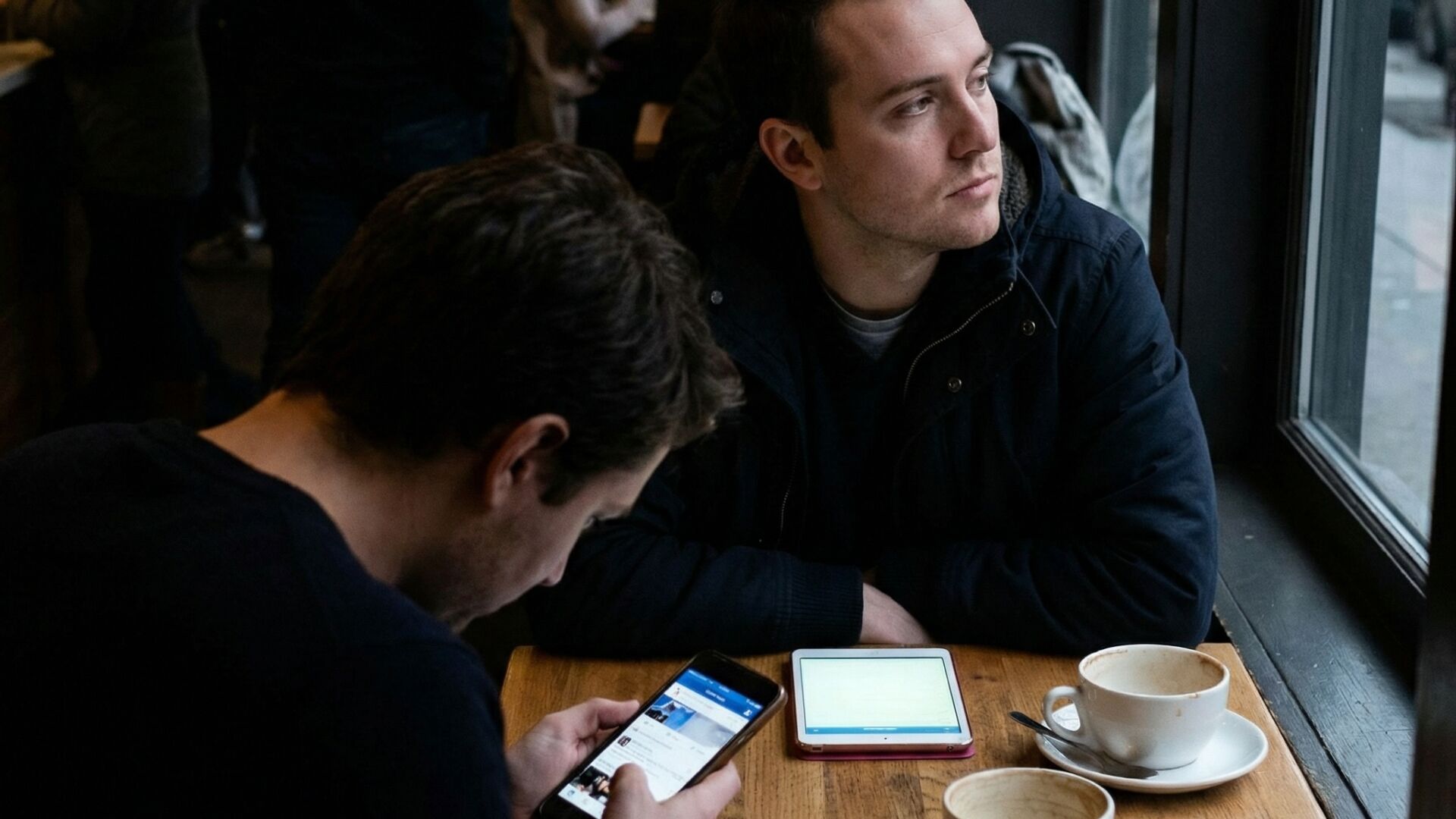

In today's digital age, social media has a tremendous impact on our interpersonal relationships. They are among the most important means of communication and can have both positive and negative effects on our togetherness. At natinka.de, we believe in meaningful relationships based on trust and emotional intimacy. Digital presence enhances certain aspects of our interaction while weakening others. Here, you will find more than just tips – we offer you a comprehensive perspective on how you can use social media to enrich your relationships. Often, the lines between online and offline interactions are blurred, which can bring both risks and opportunities. Feel the difference that mindful use of social media can make in your life. Let’s explore together how we can interact in a way that strengthens and harmonizes our connections while also caring for our own well-being.
A central aspect of the impact of social media on relationships is the way communication is changing. In the past, we had to be physically present or call to exchange thoughts. Today, messages and posts are just a click away. This availability can be a great thing – it allows us to stay in touch regardless of where we are. Sharing daily experiences, photos, and thoughts is easier than ever. However, while this rapid sharing can increase the feeling of closeness, it also poses dangers. Many people report feeling lonely despite constant online communication. The reason for this often lies in the fact that digital interactions cannot replace deeper, personal conversations. The emotional depth of a face-to-face conversation is often lost when conveyed through a screen. It’s important to realize that the quality of communication often outweighs quantity.


Self-Presentation on Social Media
Another significant point is self-presentation. Social media provides a platform where we can present our best selves. We often only show the positive aspects of our lives – vacation photos, celebratory occasions, or successes. This can sometimes lead to a distorted picture of reality, not just for our friends but also for ourselves. We constantly compare ourselves to the seemingly perfect lives of others and put pressure on ourselves to achieve these ideals. This comparison can lead to feelings of inadequacy and a loss of one’s identity. A good example of this is when you genuinely enjoy an event but simultaneously feel the need to present it perfectly online. It becomes even more important to find a balance between real life and digital representation. Be honest with yourself about what you share and why.
Furthermore, the pressure to constantly be active online can become a source of stress for many people. Sometimes we forget the importance of offline time and personal encounters. Relationships that are primarily built online can remain shallow and superficial unless real time spent together is also invested. It is crucial to regularly spend time with the people who matter to us and have deeper conversations that go beyond screen content. An example of this could be a simple meeting with friends at a café or a shared walk where you can exchange thoughts and feelings without distractions. Set regular "offline times" to focus on real connections and enjoy what it means to be physically present.
Finding the Balance
To harness the positive aspects of social media while minimizing the negative effects, it is important to make conscious decisions. Consider how you want to use the platforms to foster your relationships, not harm them. Set specific time slots during which you use social media, and ensure that this time doesn’t come at the expense of important personal interactions. A helpful tip is to put your phone away during shared meals or gatherings. This encourages more open and intense communication. By freeing yourself from digital distractions, you can focus on the moment and enjoy genuine conversations. Another approach is to actively reach out to people around you and shift the contact from the digital platform to the real world.
Another important aspect is understanding the differences in communication on social networks. Misunderstandings can arise easily when non-verbal cues are missing, which usually lead to better understanding in a personal conversation. Make sure that you communicate clearly and distinctly in your messages. Emojis and GIFs can help express emotions, but one should be careful that they don’t distract from the message. Try to favor personal conversations in sensitive topics to avoid misunderstandings and create a trusting atmosphere. This can significantly increase the strength of your relationships and help you build a deeper connection with others.
Conclusion and Outlook
In conclusion, social media presents both opportunities and challenges for our interpersonal relationships. The key lies in balance: use the advantages of digital communication while preserving the depth and honesty of personal conversations. Remember that your relationships require active engagement. Tip: Try to establish genuine connections as often as possible, whether through personal meetings, phone calls, or simple messages that come from the heart. This can help you cultivate more fulfilling and honest relationships in both your social media and real life.
Take an active step towards your friends and family. Let them know what matters to you, and show interest in their lives. Regular personal interactions are crucial to building and maintaining emotional bonds. By consciously taking the time to delve deeper, you can build a strong network of relationships that enriches and strengthens you. Don’t forget that social media is a tool, not a replacement for real human interactions. In this sense – stay mindful and enjoy every relationship with heart and dedication.